
How to Load a Dead Car on a Trailer with a Winch
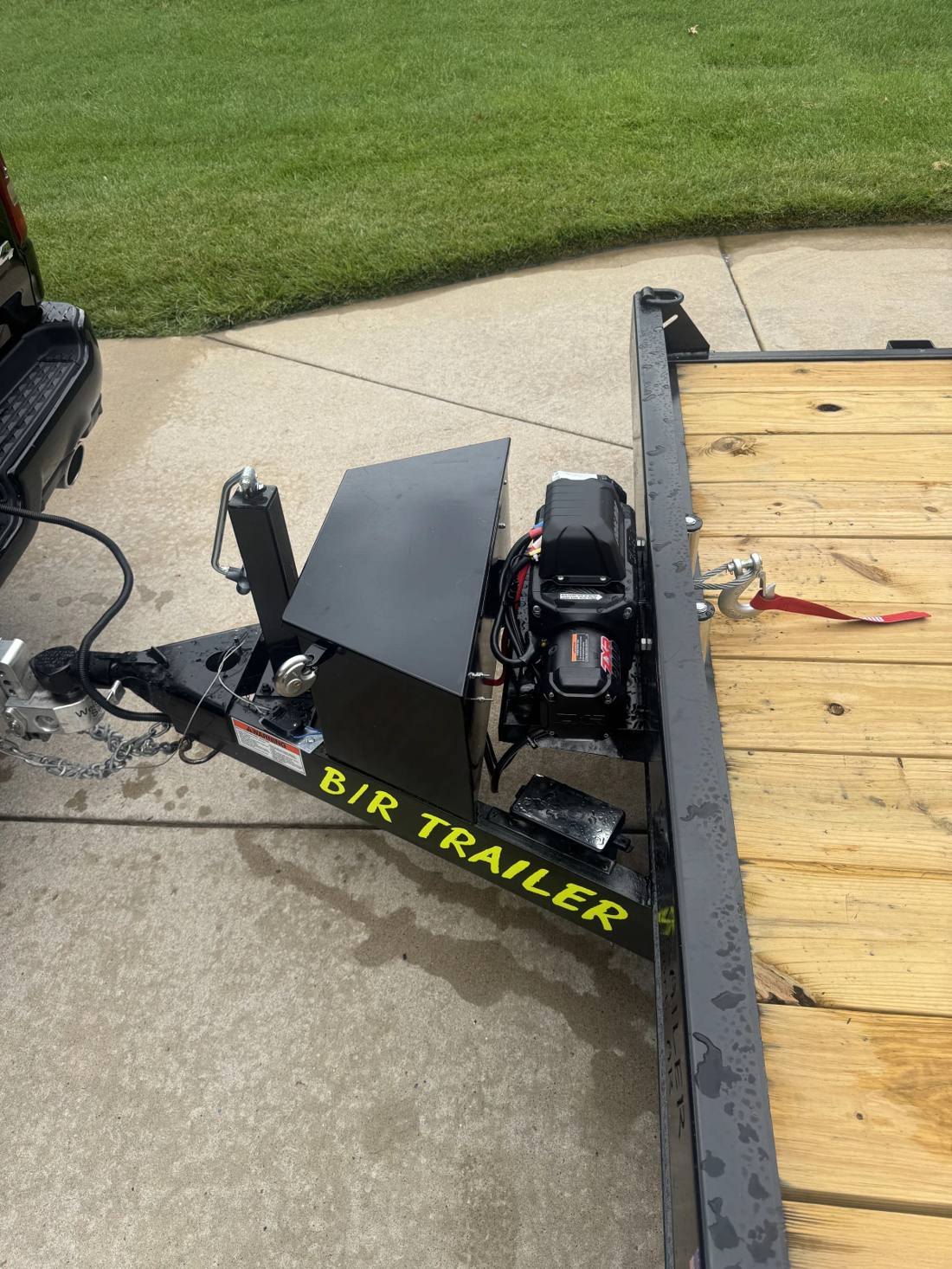
A car that won't run doesn't need a tow truck if the trailer has a winch. Both of our car haulers carry a 12,000 lb electric winch at the front of the deck. Here's how to load a dead vehicle safely, whether it's a broken-down daily driver or a project car that's been parked for years.
Before you start
- Check that it rolls. Put it in neutral and release the parking brake. If the wheels are locked or the car is stuck in park with a dead battery, sort that out first. A winch isn't meant to drag locked tires.
- Check the steering. Someone may need to steer. If the wheel is locked, you'll need the key or another solution.
- Check the brakes. If the brakes don't work, plan for that before the car is moving on a ramp.
- Check the weight. Know what the vehicle weighs. GVWR is the trailer plus the load, and your tow vehicle has its own limit.
- Pick level ground. Hook up to your tow vehicle first, and park on firm, level ground with a straight line to the car.
Loading the vehicle
- Set the trailer. Leave it connected to the tow vehicle, with the parking brake set and the ramps down and secure.
- Line it up. Get the car straight behind the ramps. Taking time here saves you from correcting halfway up.
- Attach the hook. Hook to a solid point on the frame or a proper recovery point. Don't attach to suspension parts, bumpers or anything that can bend or tear off.
- Clear the area. Nobody should stand near the cable, between the car and the trailer, or in front of the car. If someone is steering, they stay in the seat with the door closed.
- Winch slowly. Pull in short, steady runs. Stop if the car drifts off line, and don't let the cable pile up on one side of the drum.
- Position the load. Stop with the weight in the right spot on the deck. Too far back can make the trailer sway. As a general rule, keep slightly more of the weight forward of the trailer's axles.
Securing it
- Set the car's parking brake if it works, and leave it in park or in gear if it can be.
- Strap down all four corners with rated straps. Ratchet straps are a $10 add-on if you don't have your own.
- Release the winch tension only after the straps are tight. Don't use the winch cable as a tie-down for the drive.
- Stow the ramps and check everything again.
- Stop after the first few miles and recheck the straps. They often settle and loosen.
Which trailer to choose
The 20' car hauler has a 10,000 lb GVWR and suits most cars and SUVs. The 24' car hauler has a 14,000 lb GVWR, drive-over fenders, "max" ramps and an extra-wide deck for heavier or wider vehicles. Not sure if your vehicle fits, or what your truck can tow? Read what you need to tow a trailer, or call or text (816) 343-4440 before you book.
This is general guidance. Follow the instructions that come with your rental, and if something doesn't feel right, stop and call us.
Ready When You Are
See what's available, pick your dates, and pick it up yourself.
More Posts
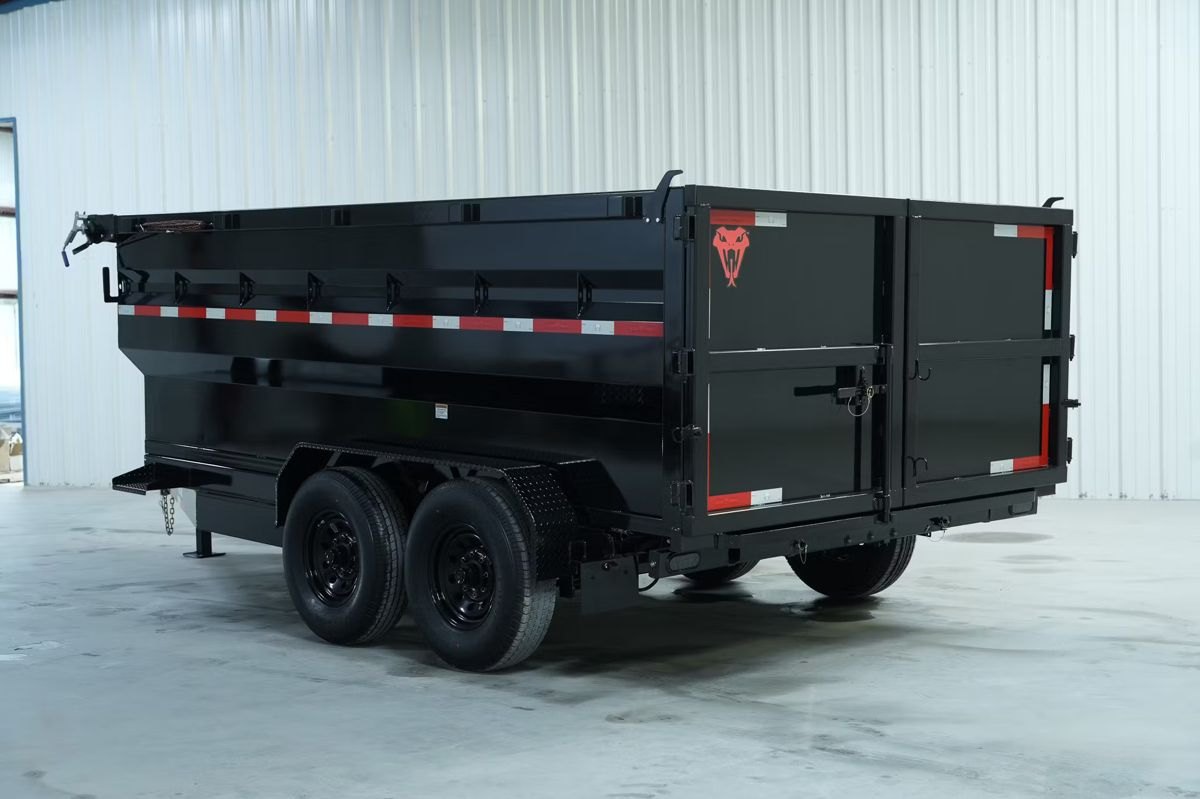
Kansas City Dump Fees: What It Costs and Where to Go
Typical Kansas City dump fees, plus names, phone numbers, hours, links and directions for landfills, transfer stations and recycling sites across the metro.
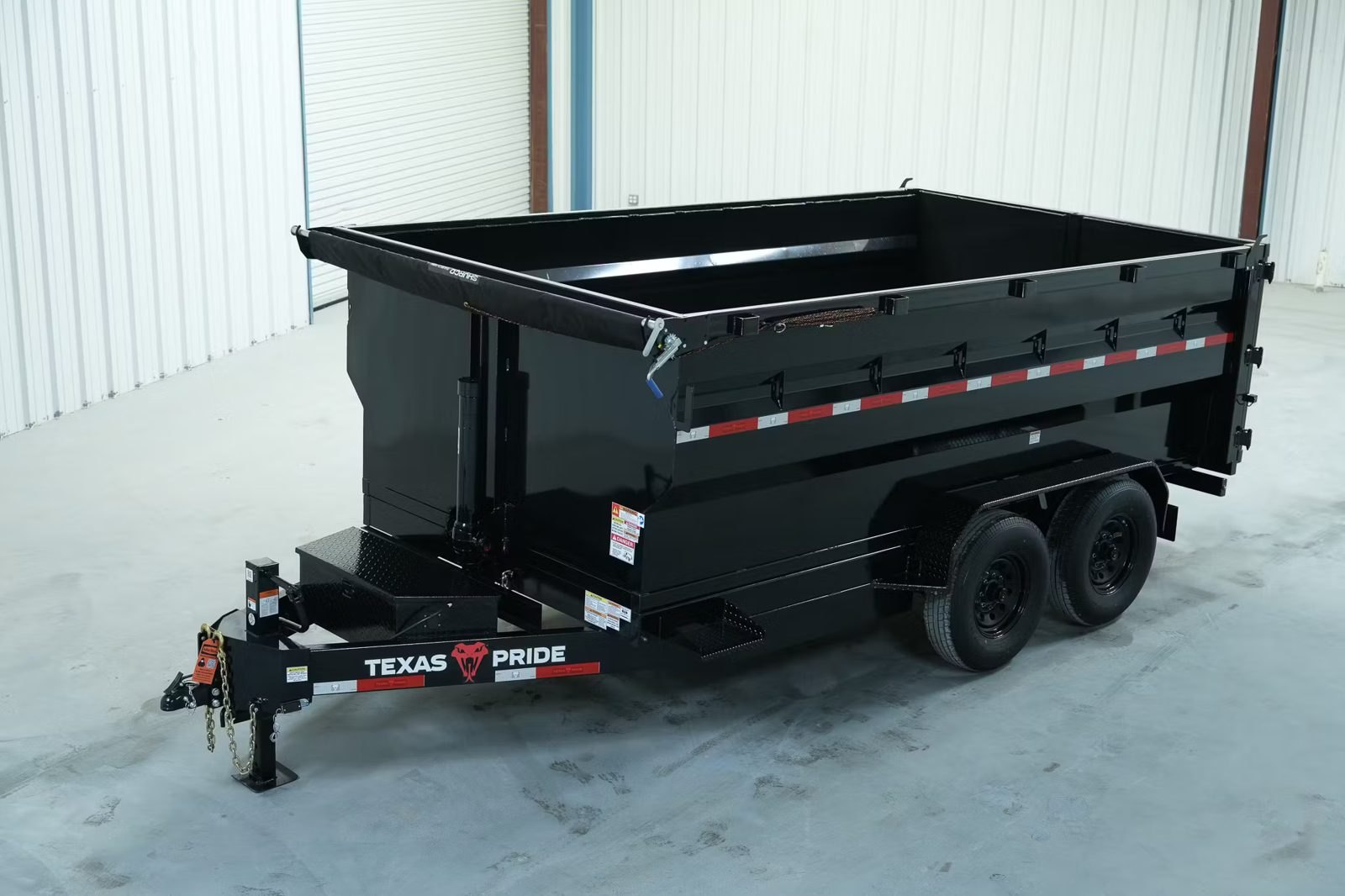
Dumpster vs Dump Trailer in Kansas City: Which One Do You Need?
Comparing a roll-off dumpster with a dump trailer for a Kansas City cleanout or remodel? Here's how to choose by job, driveway and timeline.
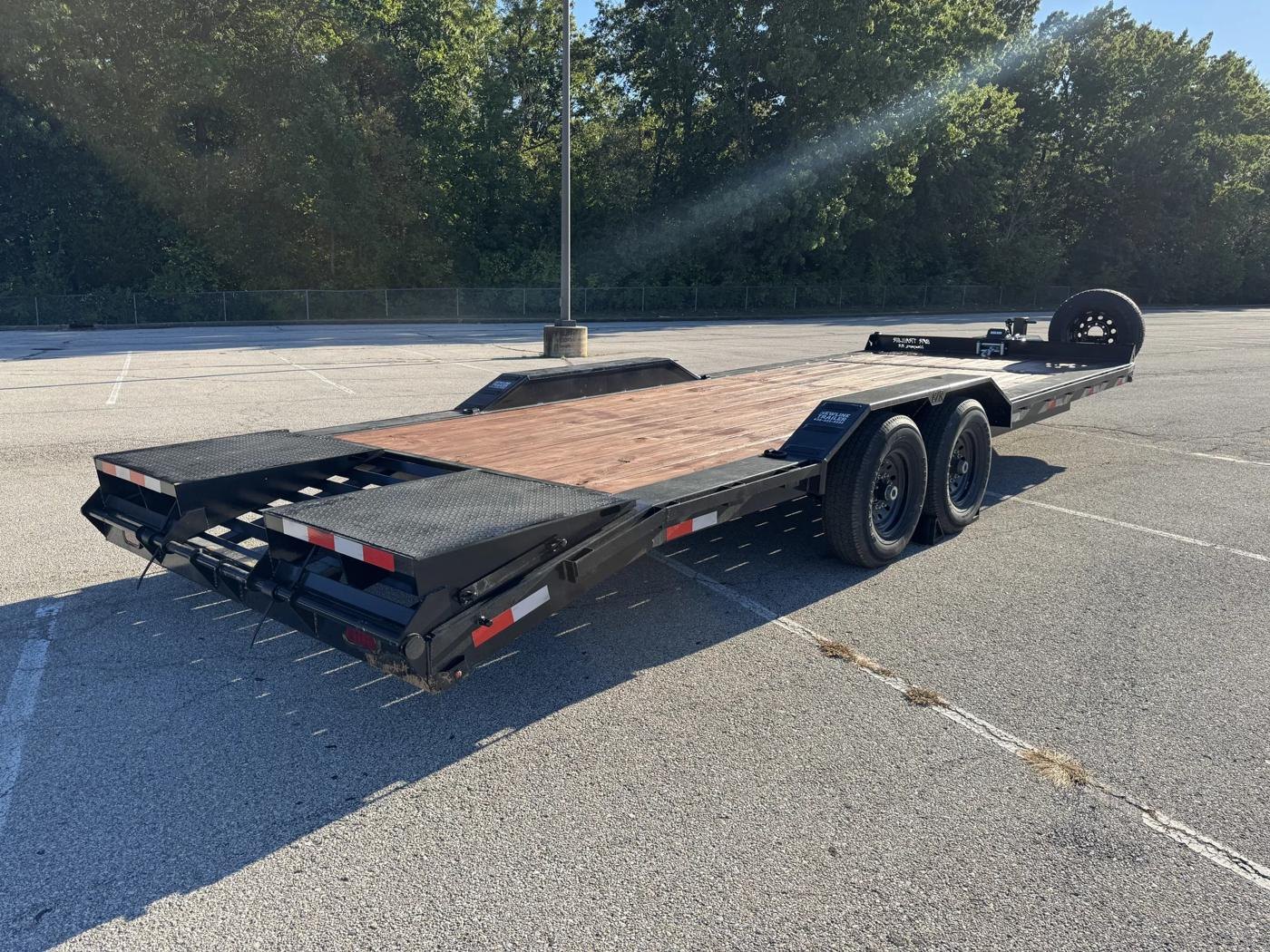
What You Need to Tow a Rental Trailer
Tow rating, hitch, ball size, 7-pin connector, insurance and license: everything to check before you rent a trailer in Kansas City.